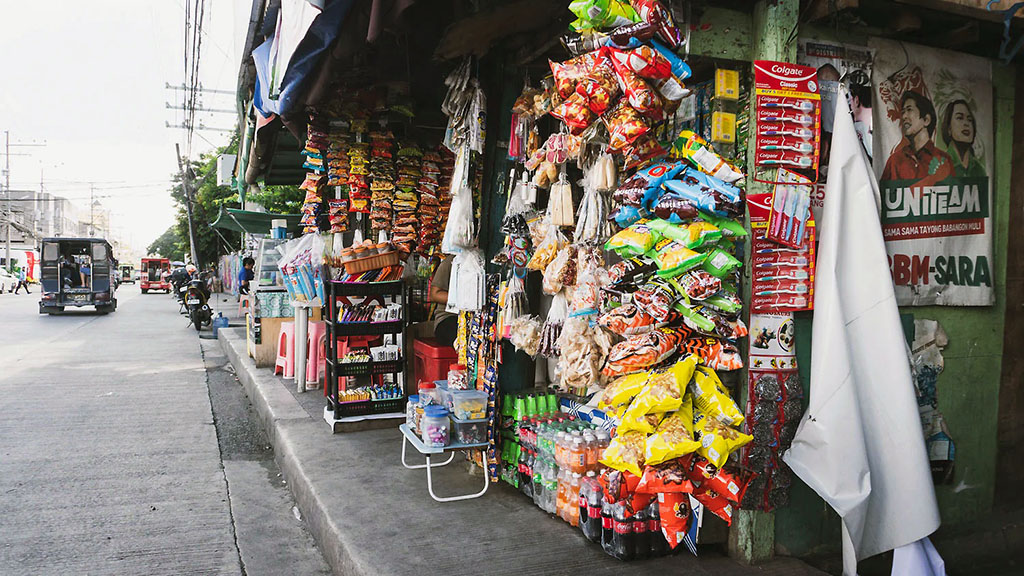
Is sari-sari store a good business?
According to the Philippine Retailers Association in 2024. Sari-sari stores accounted for 35% of the country’s total retail sales!
Sari-sari stores are great avenues to sell basic household items like cleaning supplies. These often have higher prices than food and beverages, which means they offer more profit margins for your business. Non-food items like hygiene products and toiletries can be a great source of income for your store.
How to Start a Sari-Sari Store in the Philippines?
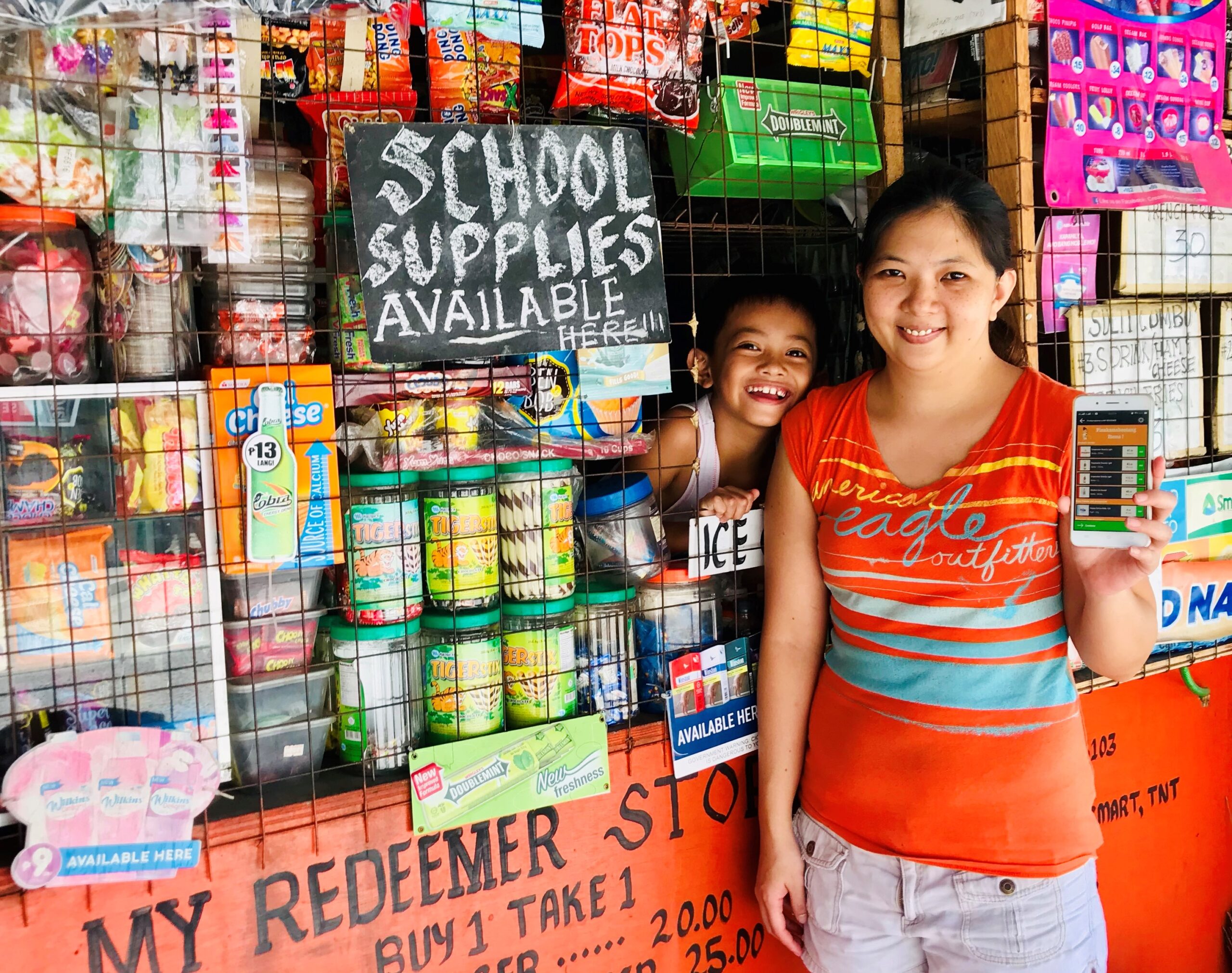

Step-by-Step Guide to Starting Your Own Sari-Sari Store!
To start a successful sari-sari store, prioritize market research, secure necessary permits, choose a strategic location, manage inventory effectively, and maintain good customer relationships. Start with a basic product selection and gradually expand based on customer demand.
Here’s a more detailed breakdown!
Determine your startup costs, including initial inventory, store setup, and permits. Consider a starting capital of ₱20,000-₱100,000.
Here’s a basic breakdown:
- Initial inventory: ₱15,000 – ₱60,000
- Store setup (counter, shelves): ₱5,000 – ₱20,000
- Permits and registration: ₱2,000 – ₱5,000
- Miscellaneous expenses (cash box, weighing scale): ₱2,000+
Start with the essentials. It’s better to grow your inventory gradually based on customer demand rather than overstock and risk spoilage.
Planning and Preparation!
Market Research:
Understand the needs and preferences of your target customers. Identify popular products and potential competitors.
Business Plan:
Develop a plan outlining your goals, target market, product selection, pricing strategy, and financial projections.
Capital and Budget!
Location:
Choose a high-traffic area like busy streets, transportation terminals, or near schools.
Permits and Registration:
Obtain necessary permits like Barangay Clearance, Mayor’s Business Permit, and DTI Business Name Registration.
Setting Up Your Store!

Store Layout:
Design an organized and accessible layout. Use open shelving for easy product visibility, and place high-demand items at eye level.
Inventory:
Start with basic necessities like rice, canned goods, noodles, toiletries, and snacks. Gradually expand based on customer demand.
Suppliers:
Build relationships with reliable suppliers to ensure consistent product availability. Consider purchasing from wholesalers for better pricing.
Running Your Store!
Inventory Management:
Implement an inventory system to track stock levels and prevent overstocking or out-of-stock situations.
Pricing:
Research product prices and set competitive prices to attract customers.
Customer Service:
Be friendly, offer excellent customer service, and build strong relationships with your customers.
Financial Management:
Keep accurate records of your sales, expenses, and profits. Avoid selling on credit to minimize financial risks.
Security:
Ensure the safety of your store by using grills and locks, and consider installing security cameras.
Operating Hours:
Determine your operating hours based on your target market’s needs and peak hours.
Plan Your Business Smartly!

Before you spend a single peso, you need a solid plan!
- Identify your target market. Are you serving students, office workers, families or a mix?
- Survey nearby stores. What products are missing? What items move fast?
- Decide on your operating hours. Early mornings and evenings are peak times in most communities.
Last but not least! Find a Business Name and you’re good to go…
0 comments